






The modern world is too connected for any one nation to stand alone successfully. Rapid technological changes, such as Machine Learning (ML) and Artificial Intelligence (AI), coupled with multi-domain threats, make global challenges too significant to face without partnerships and coalitions. When countries combine their strengths through alliances, they greatly increase their collective ability to address threats, where speed, agility, and trust are the keys to success.
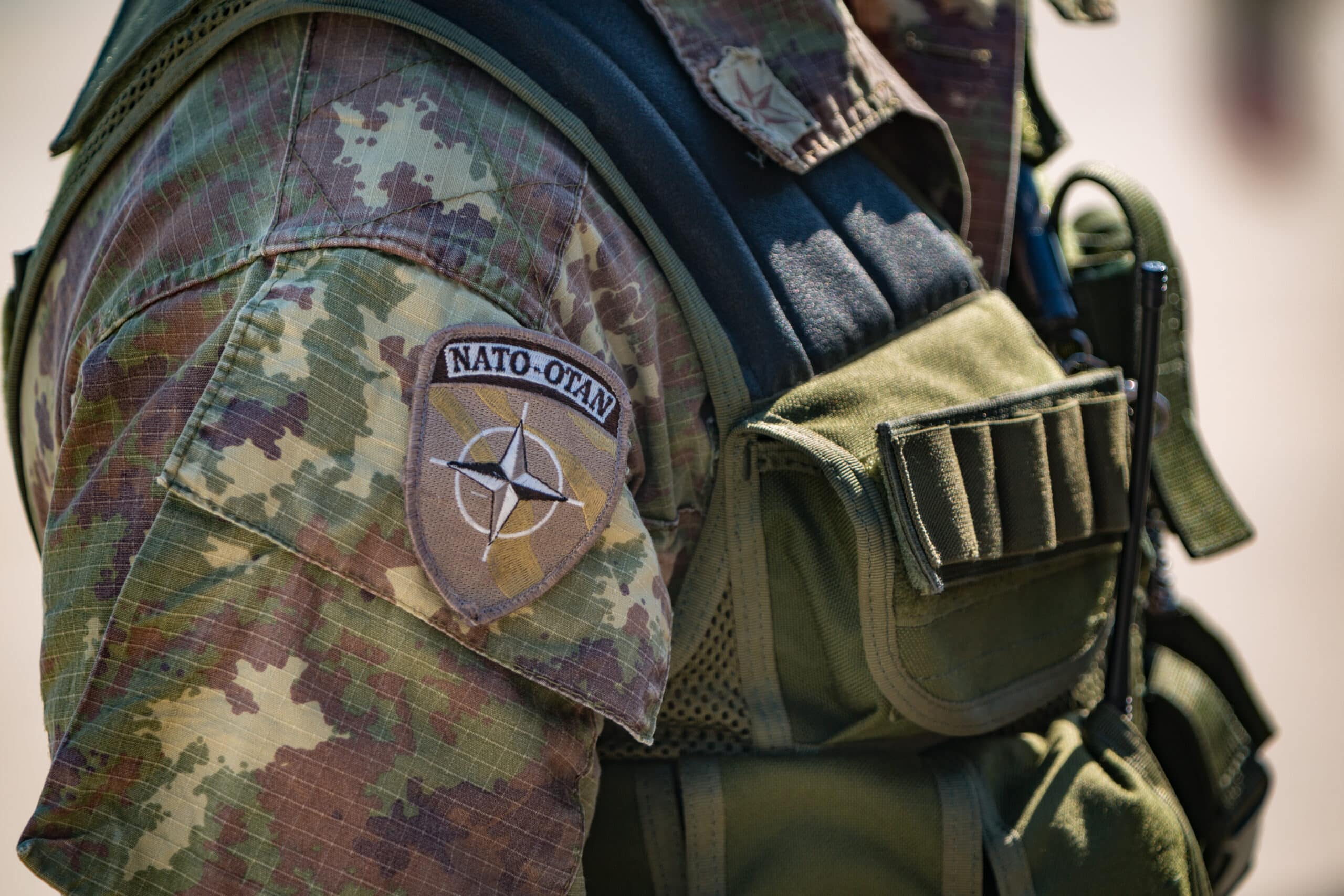
One of the most important alliances for over 75 years has been the North Atlantic Treaty Organization (NATO). NATO is much more than just a loose political association of free countries. At its core, NATO provides a framework for partner nations to plan, train, and operate as a combined force. When nations fulfill their obligations to NATO, joint operations become more effective. A wide range of units from countries across the world can move, communicate, and fight effectively.
To maximize NATO’s benefits, planners continue to seek ways to improve the organization’s effectiveness and strategic advantages. In recent years, interoperability has been one of the hallmarks of meeting NATO’s modern-day challenges, as well as the unforeseen challenges on the horizon.
What is NATO & What Is It Designed To Do?
At its heart, NATO is an alliance. The organization’s purpose is specifically defence-related. World War II was the deadliest conflict in human history, with 50 to 85 million people dying during the war. In the aftermath of World War II, many countries were looking to avoid similar conflicts in the future. The solution, championed by United States President Harry S. Truman in 1949, was NATO. NATO allowed nations around the world to form an alliance to deter aggression, preserve stability, and ensure that partner nations would not face threats alone.
The principal strength of NATO can be summarized in what is known as Article 5. Essentially, Article 5 states that if any member nation is attacked, it is considered an attack on all member nations. The idea is that this will act as a major deterrent, not a threat of escalation. This idea of shared protection strengthens all member nations and helps to spread the cost of global security.
Over the years, the alliance has lasted through numerous conflicts around the world and now operates across multiple domains. NATO covers operations on land, at sea, in the air, in space, and in cyberspace. In addition to acting as a deterrent, NATO has enabled the development of shared doctrine, training, and planning, fostering greater interoperability among allied forces should they be needed in a conflict. It has proven to be a strong and beneficial organization.
Strength in Numbers Only Works If Forces Can Act Together
An important thing to remember about NATO’s effectiveness is that having a large number of member nations doesn’t necessarily guarantee the organization’s effectiveness. Large groups of nations can experience friction among themselves. In addition to each nation having its own political system and goals, no two nations operate their fighting forces in the same way. Without taking the time to ensure alignment, strength in numbers can quickly become a liability.
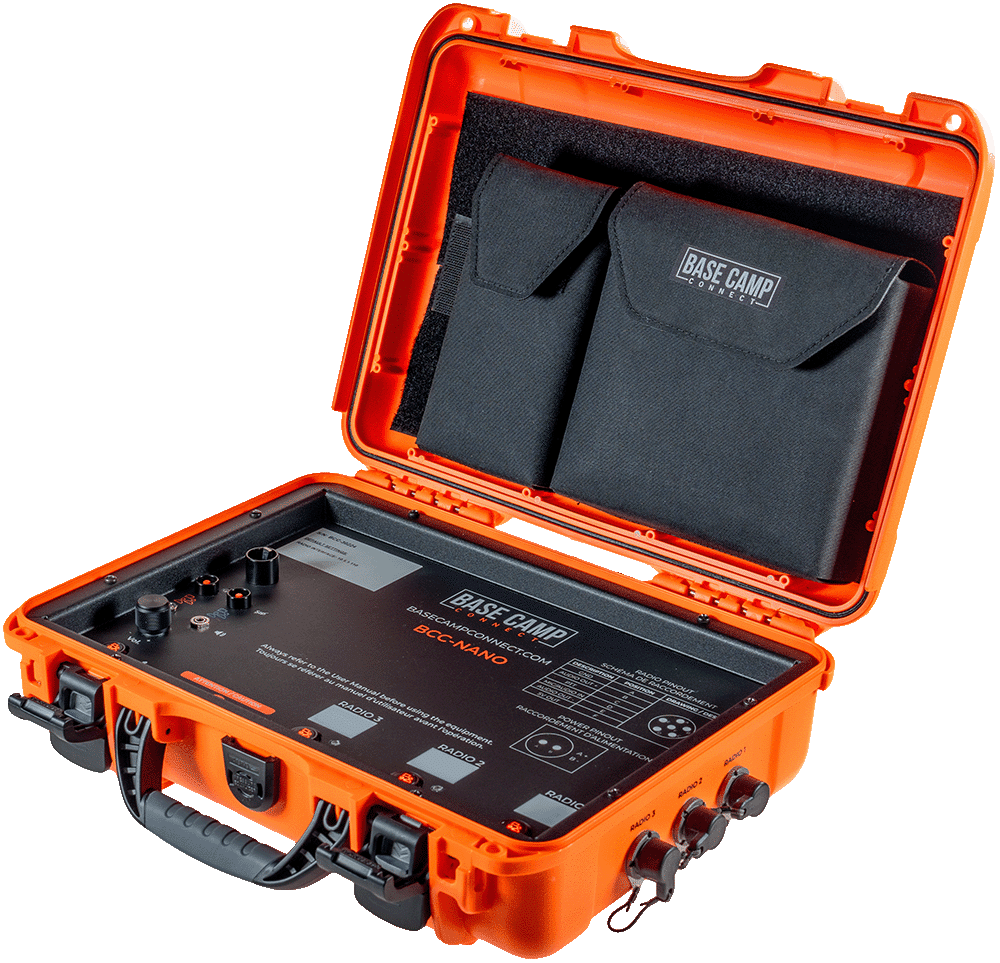
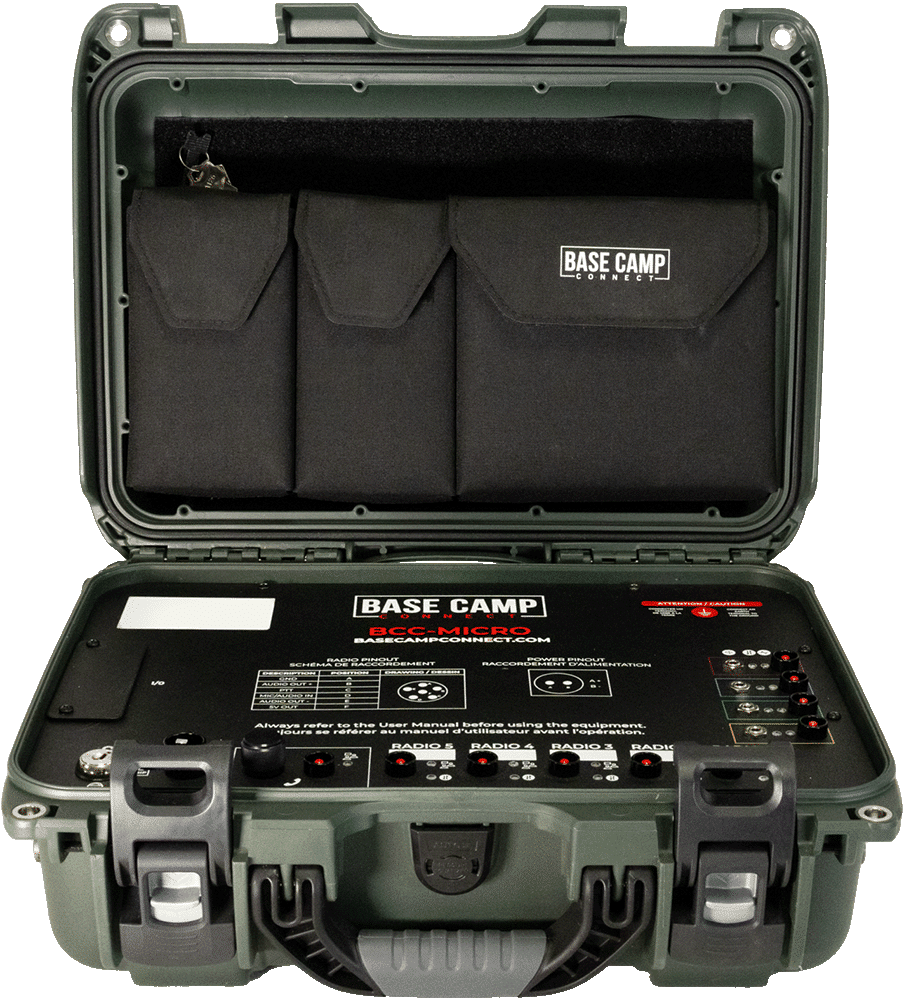
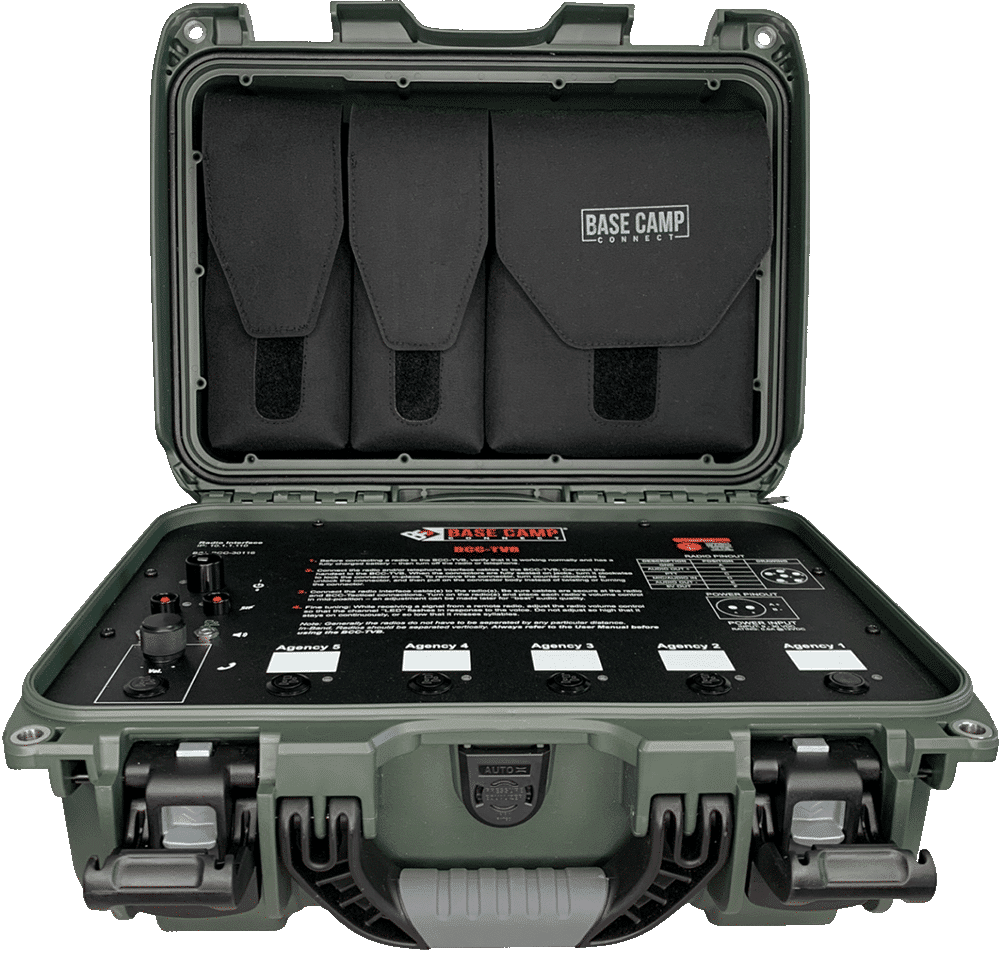
The key to ensuring that strength in numbers remains an asset is interoperability. At its core, interoperability is achieved when NATO members operate cohesively around shared doctrine and operational tenets. There is no need for everyone to adopt a single system, such as having every nation use the same radio equipment. Instead, interoperability is achieved through trust, compatibility, and shared understanding. One of the best examples of this can be seen in communications.
There are currently 32 NATO Allies (member nations). Each nation has its own set of communications equipment, standard operating procedures, and security protocols. It would be unrealistic to expect all 32 nations to buy the same equipment and adopt the same protocols to achieve interoperability. Instead, NATO creates frameworks such as Federated Mission Networking (FMN) that enable everyone to work together, even when using different equipment.
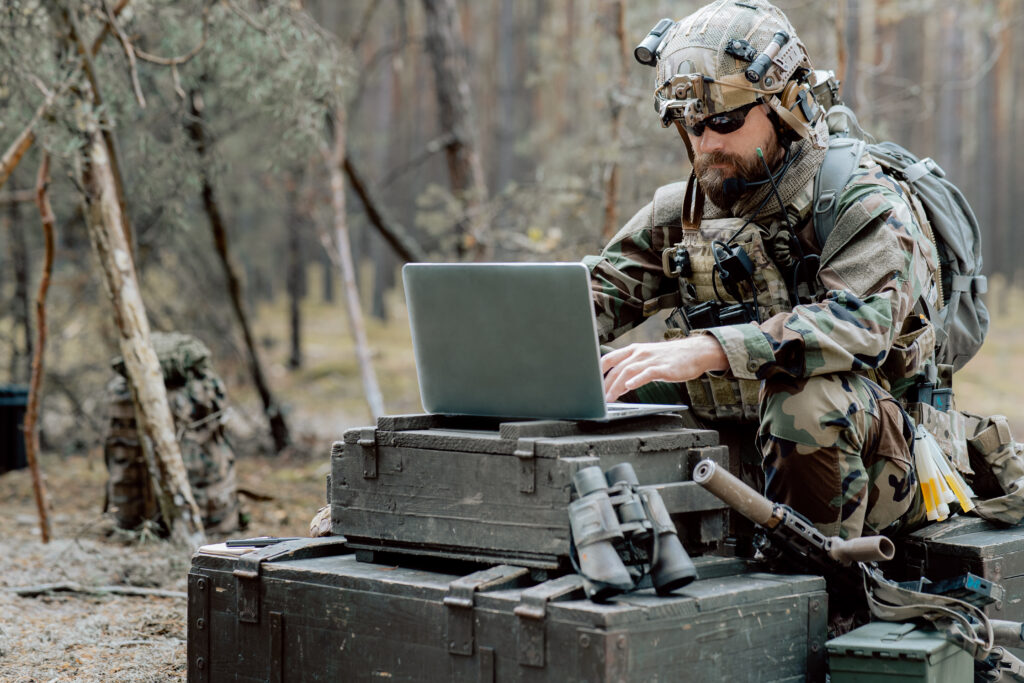
It’s through extensive standardized methods, such as FMN, that NATO can overcome the obstacles to interoperability.
Interoperability as NATO’s Strategic Advantage
Like other alliances, NATO faces threats. When NATO was founded in the late 40s, threats moved at a much different pace than they do now. Cyber attacks, for example, can occur in fractions of a second. That kind of speed demands flexibility and responsiveness from NATO. In its planning and training, NATO increasingly recognizes the importance of interoperability as the foundation of the Alliance’s success.

When interoperability is achieved, commanders can make rapid decisions and take action quickly to address threats. Shared situational awareness means everyone involved is seeing the same thing. A lack of situational awareness can bring operations to a grinding halt and significantly lower the effectiveness of alliances like NATO.

During one of my tours in Iraq, I was part of a small team training Iraqi Army units. From one Iraqi Army unit to the next, there was zero interoperability. It was incredibly frustrating to watch commanders try to coordinate efforts while the enemy engaged us through unsecured walkie-talkies, cell phones, and runners. In retrospect, had we invested more time in building interoperability between the forces, we would undoubtedly have had greater success in our operations.
With interoperability, Command and Control is also significantly increased. Additional advantages include greater logistics integration for better sustainment, a structured multinational headquarters, and the ability to execute missions without ambiguity.
It is, however, important to remember that interoperability is not static. It must be seen as fluid and as a living thing that evolves when new challenges arise. NATO must adapt new doctrine, standards, and networks to keep benefiting from interoperability.
Coalition Operations Beyond NATO Membership
While NATO currently has 32 NATO Allies, it’s important to mention that strength in numbers is not limited to these Allies alone. NATO often operates with nations outside of the Alliance that share similar goals. When the situation calls for it, these “partner nations” must integrate their forces into the existing NATO structure. Partner nations can expand capabilities, build legitimacy in a region, and expand the Alliance’s reach, but only if they achieve interoperability.
The threats of the modern world often mean there is little to no time for a partner nation to train with NATO and adopt its framework. The system must allow partners to immediately plug in and get to work. With interoperability enabled through initiatives such as FMN, all stakeholders can connect to existing command structures, share data in a secure environment, and contribute to the overall mission without slowing down. This becomes even more important when operations are more complex, involving military, civilian, and humanitarian organizations working side by side.
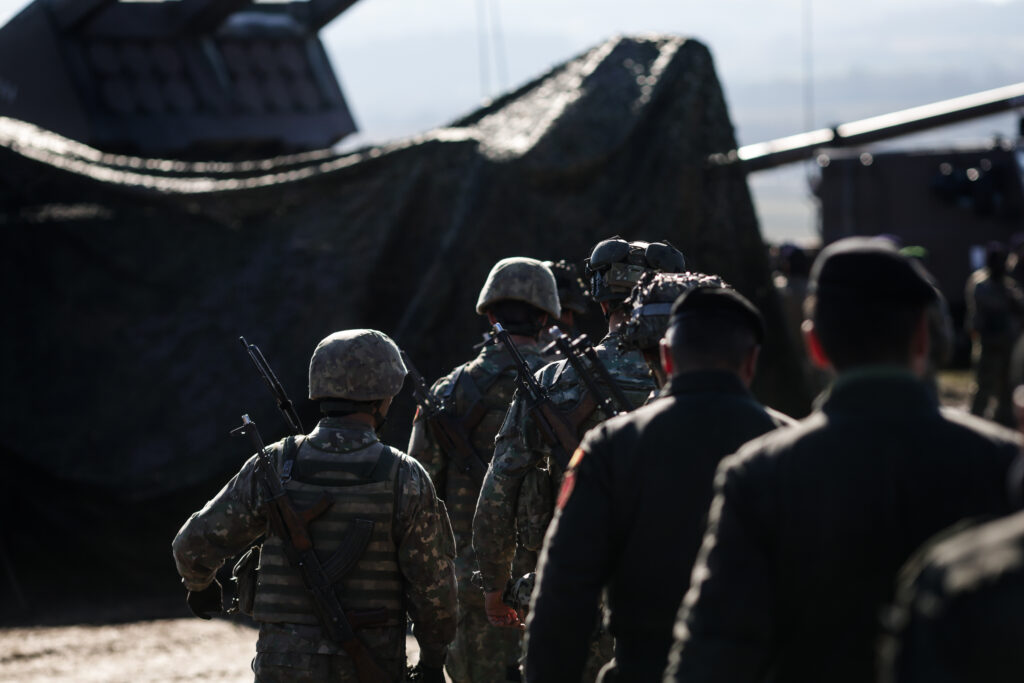
As I saw during my time in Iraq, working with partners outside your organization can be challenging. Gaps in communication and incompatible systems create significant friction. In the later years of the conflict in Afghanistan, NATO’s focus on interoperability helped avoid such situations. The key takeaway is that for organizations like NATO to get the most from strength in numbers, all members and partners need to achieve seamless integration.
For three quarters of a century, NATO has seen the benefits of strength in numbers. It is crucial to remember that numbers alone do not guarantee that organizations like NATO have an advantage. The real strength lies in coordination, and that is best achieved through interoperability.
Modern conflicts, humanitarian operations, and other events are fast-moving, complex, and full of unexpected challenges. NATO is one of the strongest multinational organizations on the planet. Through interoperability, Alliance members can rely on a framework that enables diverse nations with different procedures, languages, and cultures to function effectively, even under significant stress and pressure.
As new threats arise, the speed of conflicts increases, and as emerging technologies rapidly change how we interact with one another, the margin for error in how we deal with threats shrinks. Now is the time to strengthen NATO and rely on the benefits of a multinational force. Through interoperability, we can help to ensure global peace.