






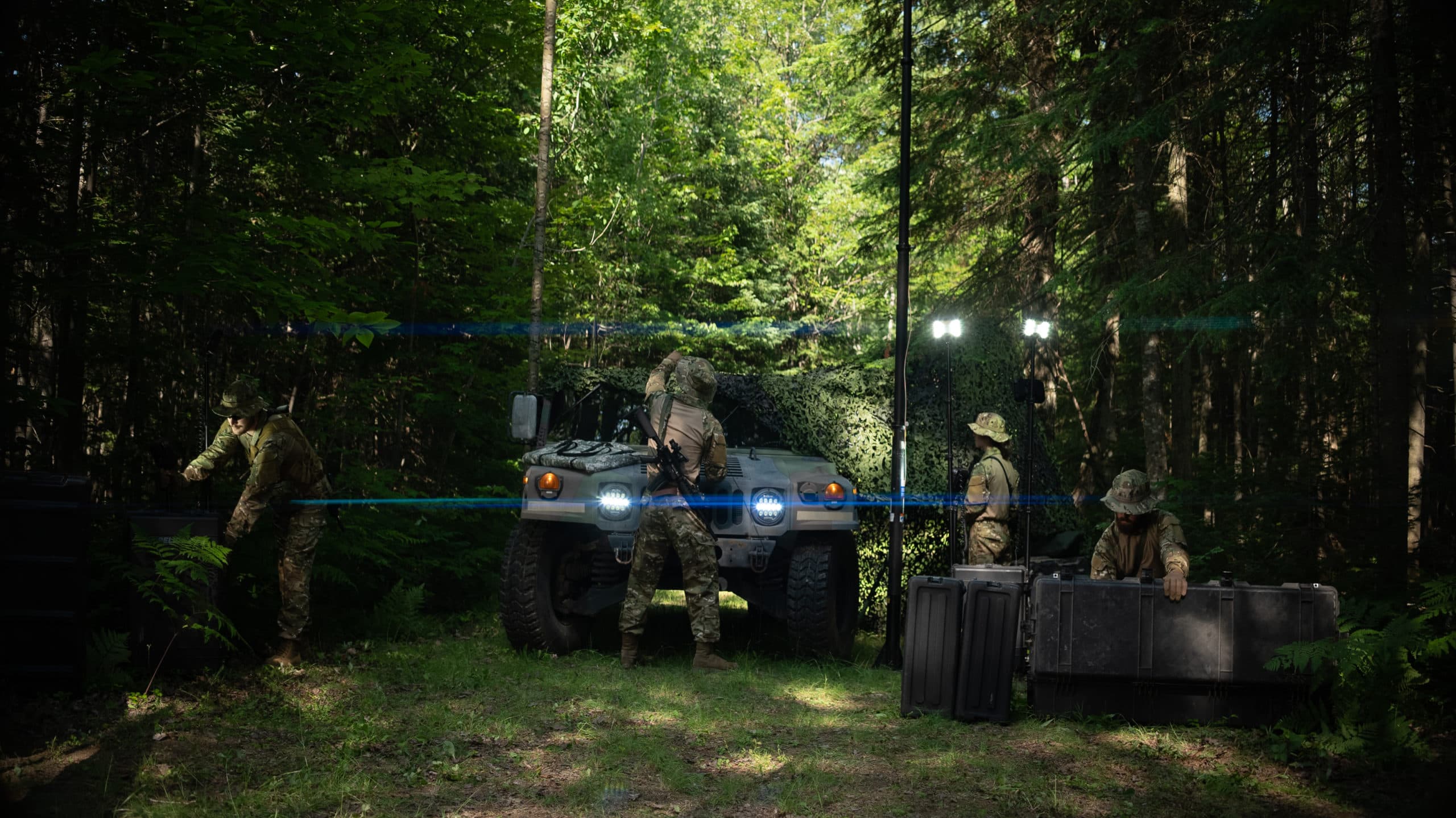

There was a time in the not-so-distant past when wars occurred largely in a single environment. Conflicts could be thought of as land wars or sea wars. As technology and the capabilities of the warfighter advanced, battles began to take place across multiple environments. Now, warfare often occurs on land, sea, air, space, and cyberspace, with each significantly contributing to the overall outcome of the battle.
At the same time, information superiority has become the defining factor of modern warfare. Land forces require the intelligence gathered by crewed aircraft and drones, ships rely on data gathered from satellites, and cyber systems monitor and digitally protect the infrastructure that connects them all.
Multi-domain communications systems make this possible by enabling data to move seamlessly between dispersed units, technologies, and command structures. Enabling these systems to work are platforms that allow for interoperability between communication networks. Without interoperability, the seamless sharing of data across these domains would break down, and any operational advantages from shared intelligence would quickly erode.
Understanding the Five Operational Domains
To fully understand why multi-domain communication is important, it is best to start with a brief explanation of each domain. Unique capabilities and challenges characterize each of the five domains, especially with respect to maintaining reliable communications and sharing data across various units.
Land

On the land, everything from large-scale installations and ground forces to mobile command centers, uncrewed systems, tactical vehicles, and sensor networks needs to be connected. This environment depends heavily on assets such as tactical radios, mobile networking infrastructure, and edge connectivity. Together, these systems enable ground forces to share data, even in remote and hostile environments.
Sea
Moving from the land to the sea, the maritime domain encompasses surface vessels, submarines, and other patrol platforms. Units are often separated by vast ocean distances, necessitating long-range communications, such as SATCOM, to maintain data flow among ships, aircraft, and shore-based command centers.
Sky
Since the Wright brothers’ first flight in 1903, aircraft have evolved in ways Wilbur and Orville Wright could never have imagined. As a result, the air domain is now one of the most active environments for modern warfare. From advanced fighter jets to drones, this domain is ideal for gathering intelligence, surveillance, and reconnaissance (ISR) data. Having links from these aerial assets to operational headquarters and forward-deployed units is essential.

Space
Space is vital to all the other domains as this environment hosts satellite systems that provide GPS navigation, global communications, reconnaissance capabilities, and missile warning systems. These systems play a vital role in providing situational awareness and maintaining global connectivity.
Cyber
The final domain is the cyber domain. This environment can be thought of as the backbone that connects all other domains. The infrastructure that creates the cyber domain manages data routing, cloud services, cybersecurity protections, and the digital networks that enable information to flow across platforms, thereby enabling greater command and control.
There was a time when each of these domains had its own communications framework. Today, however, to be victorious in battle, you must achieve seamless integration across all five simultaneously.
Why Multi-Domain Connectivity Matters
As you can see from the five domains, ensuring connectivity across such a wide landscape with such varied platforms is an almost impossible task. And yet, without it, military forces would be at a significant disadvantage, especially if their adversary has mastered multi-domain connectivity. Let’s dig a little deeper into why it is so important.
Perhaps the most significant advantage is the enhanced situational awareness that comes with multi-domain connectivity. As long as there is an efficient method for processing the data, personnel at all levels can make better decisions if they receive information from ISR collection assets across all five domains. The integration of intelligence-collection assets creates a comprehensive operational picture, providing leaders with a better understanding of the battlefield and potential threats.
It all boils down to better decision-making. When information from multiple domains is fused into a single operational picture, everyone from commanders to troops operating at the tip of the spear can evaluate the situation and respond rapidly. When properly executed, it’s as if the trigger puller is connected to every sensor and making split-second decisions on their own.
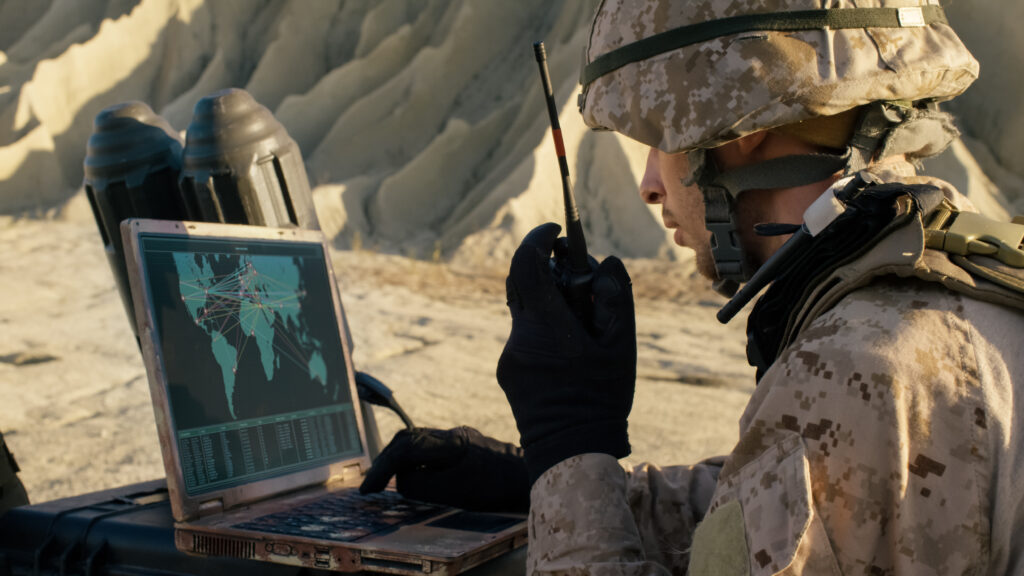
A heightened level of coordination is also achievable. When multi-domain communication channels are operational, ground units can speak directly to aircraft for close air support and fire coordination. Naval assets can operate as battle groups rather than individual platforms. And, cyber and space assets can gather intelligence while remaining protected from cyberattacks. The battlefield becomes global rather than regional.
The Technical Challenges of Multi-Domain Communications
The benefits of multi-domain connectivity are significant, but successfully integrating communication systems across multiple operational environments is extremely difficult. The only way to access the benefits is to invest in advanced infrastructure, utilize equipment that facilitates interoperability, standardize protocols, and build network architectures that are protected against cyberattacks.
One of the main challenges to overcome is interoperability. It is almost never the case that units operating together, especially in multi-domain environments, have the same communications equipment. During my tours in Iraq and Afghanistan, it was not uncommon to conduct operations that used everything from unsecured cell phones to highly sophisticated, encrypted SATCOM equipment. At the time, there was virtually no interoperability among systems. It was a real nightmare and negatively affected our ability to operate effectively.
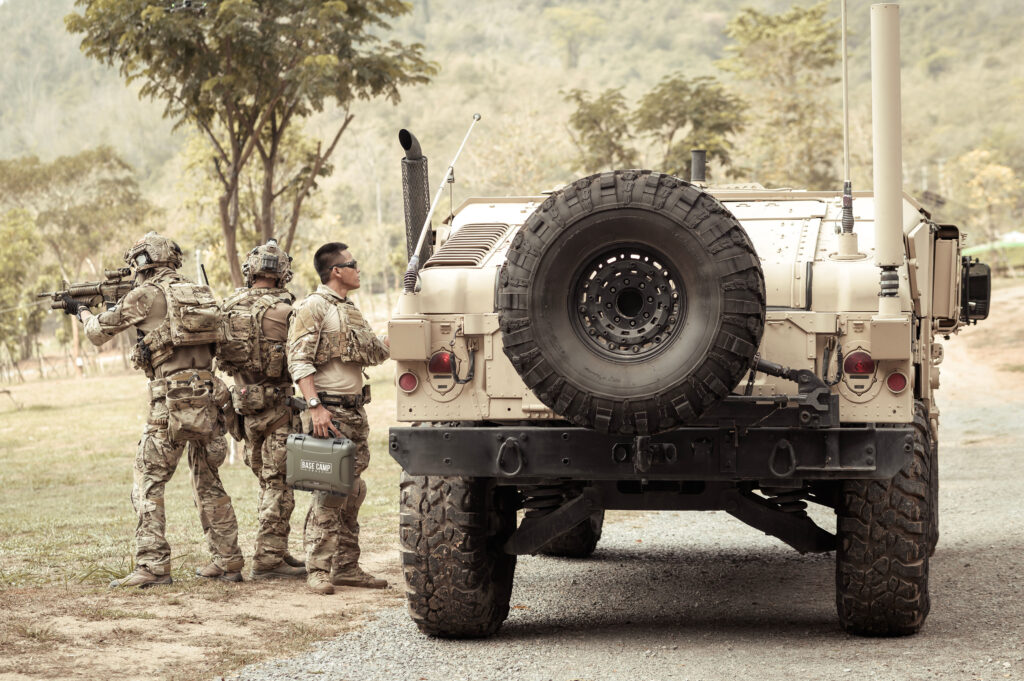
Another challenge is maintaining network security. Because communications networks are so important, especially in multi-domain environments, they have become the primary targets for cyber threats, including electronic warfare and data manipulation. Protecting networks from attackers requires robust encryption, secure network management, and continuous monitoring to defend against ever-evolving cyber threats.
Even when multi-domain communications are not affected by enemy forces, they are still subject to additional forces that make maintaining connectivity difficult without the right equipment. One cannot overlook factors such as bandwidth demands and the realities of operating in harsh environments, where networks must be mobile and resilient to environmental forces (moisture, temperature, dust, etc.).
Finally, coalition operations introduce additional complexity. Multi-national forces must be able to exchange information securely while adhering to shared standards and policies. Frameworks such as Federated Mission Networking (FMN) help establish the interoperability required for effective coalition communications.
Deployable Infrastructure: Enabling Multi-Domain Connectivity
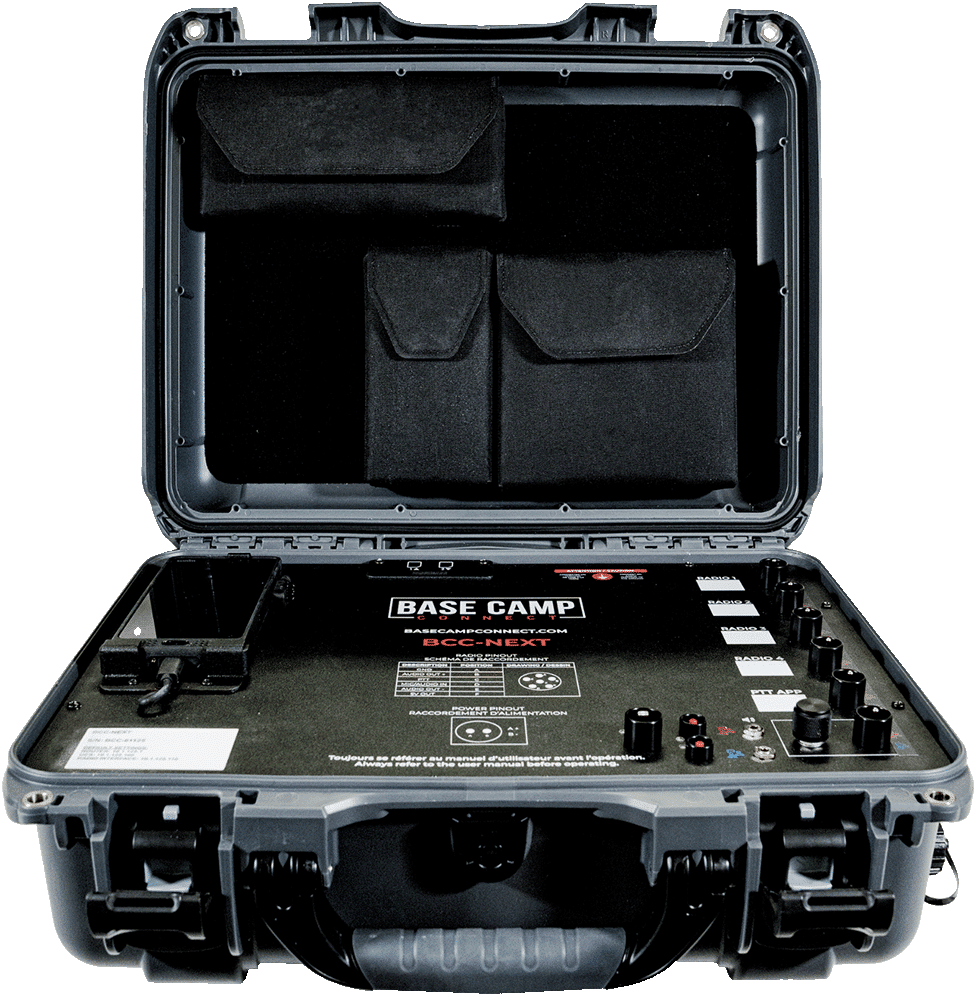
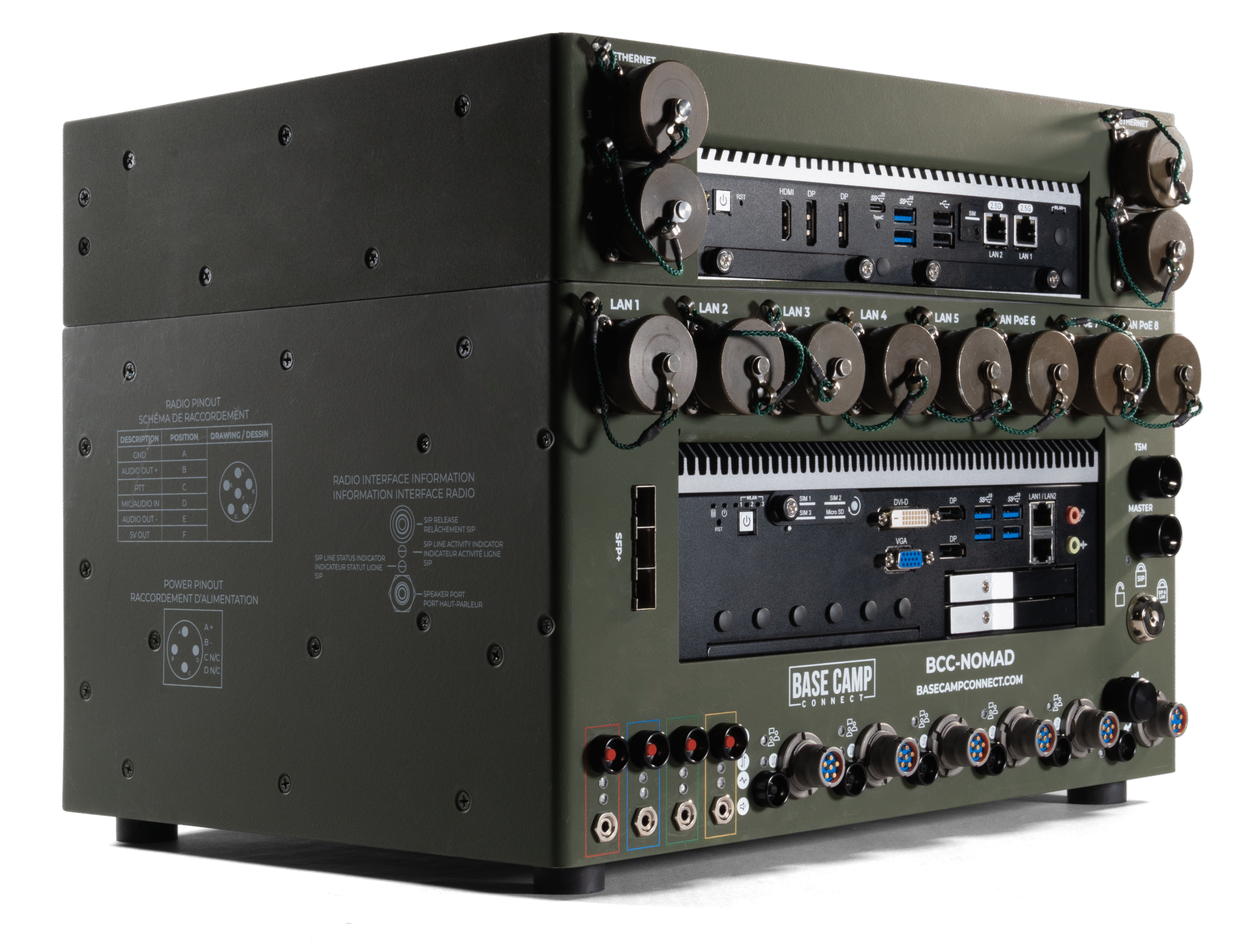
Advanced sensors and platforms make up the data-collection side of multi-domain communications, but rapidly deployable communication assets ensure communication networks remain reliable, especially in environments where permanent communication infrastructure doesn’t exist. Deployable communications systems serve as tactical hubs, allowing users operating in remote, rugged, or contested locations to remain connected to the larger communications network.
These tactical communications hubs can create secure and resilient networks in the field, allowing units to maintain connectivity even when operating far from established bases or urban infrastructure. By linking tactical units to satellite communications, cloud-based systems, and higher-level command centers, deployable systems ensure that data gathered at the edge of the battlefield can flow quickly to decision-makers and back to operational units.
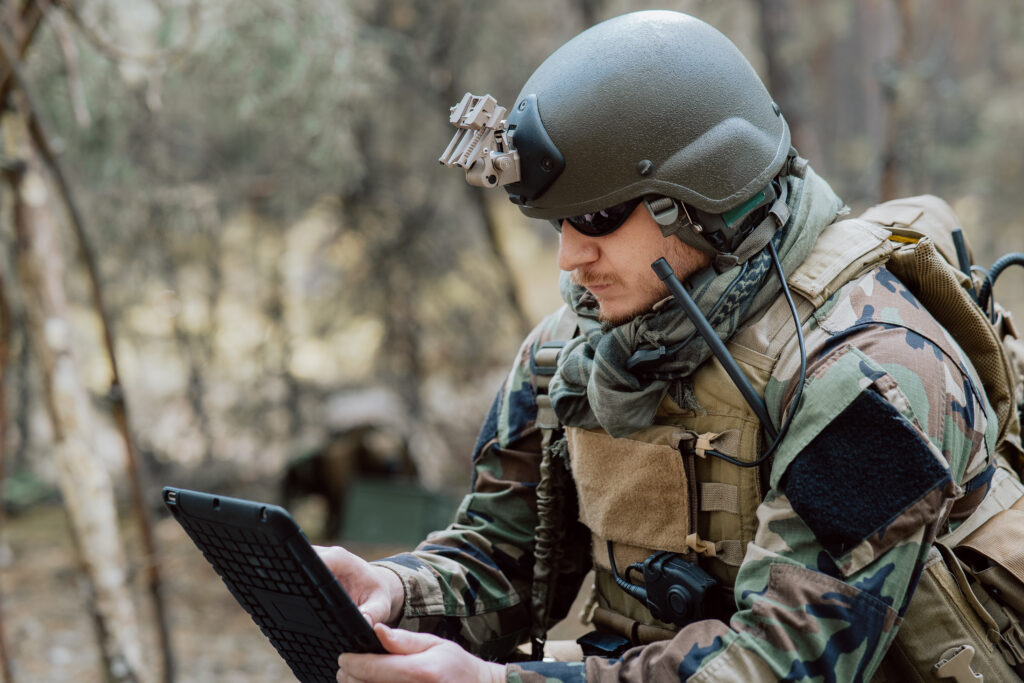
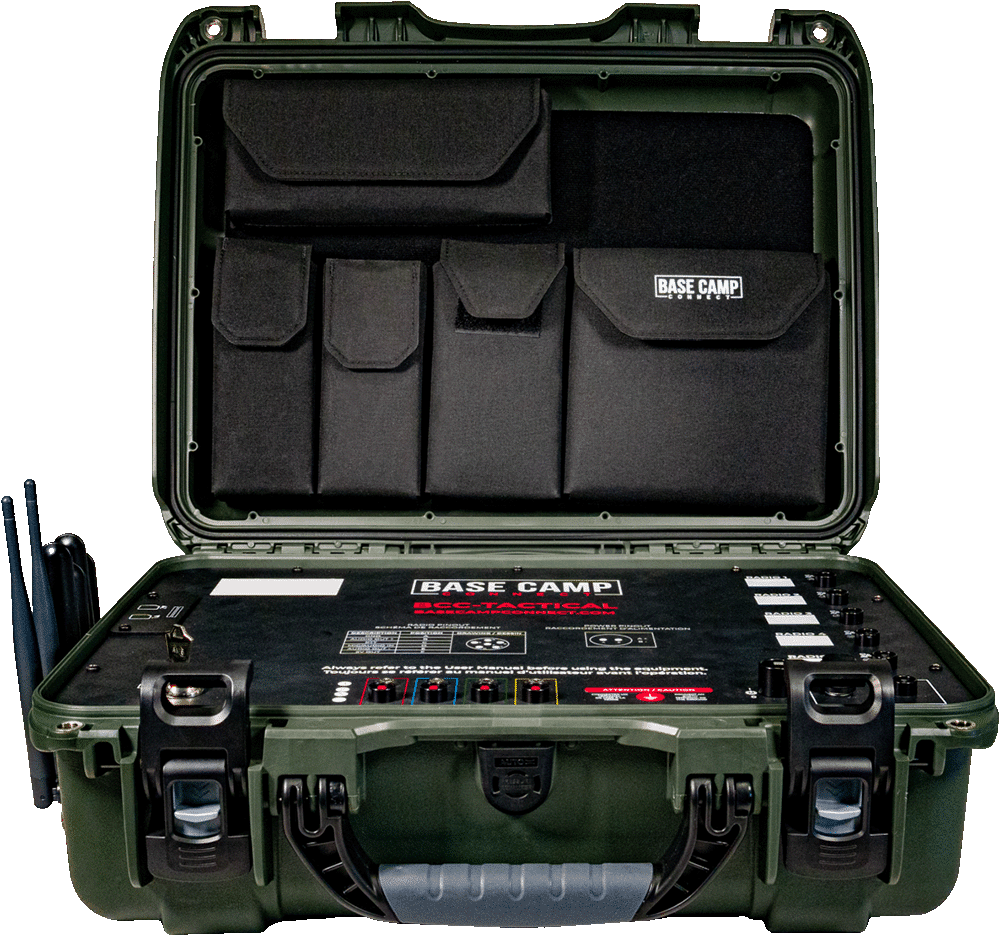
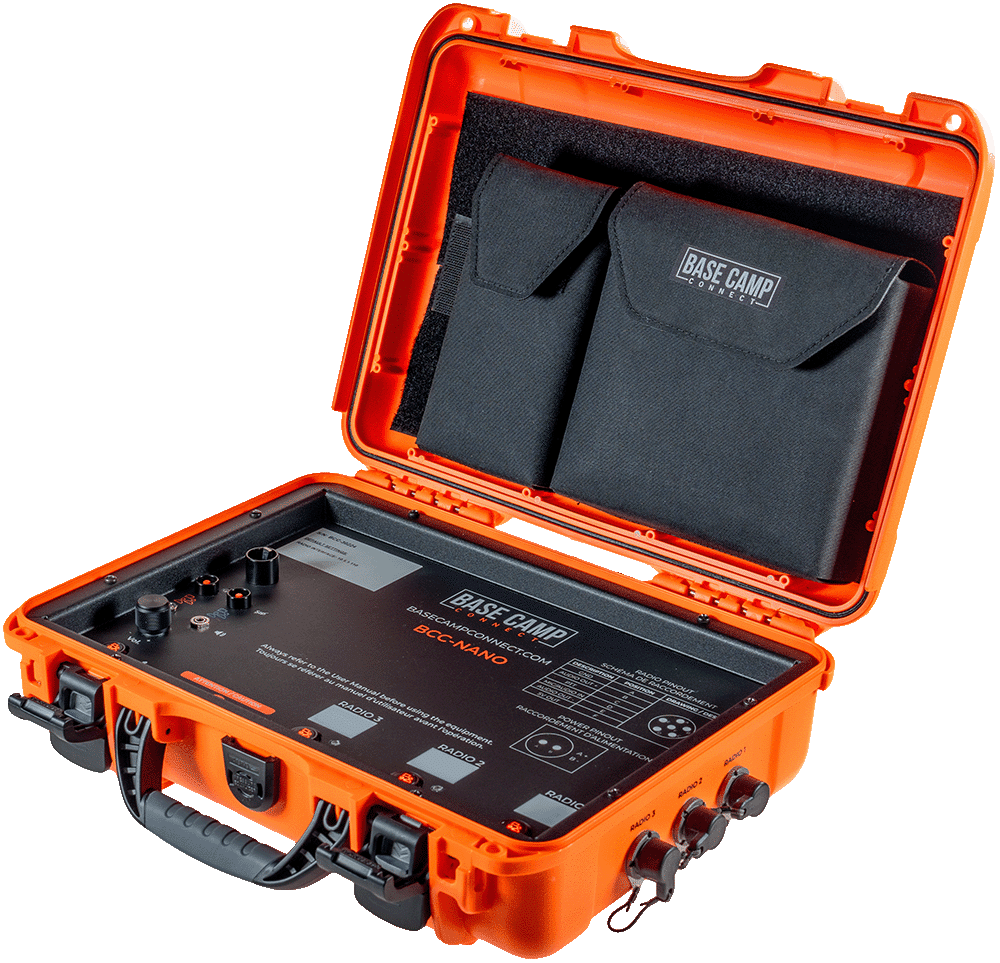
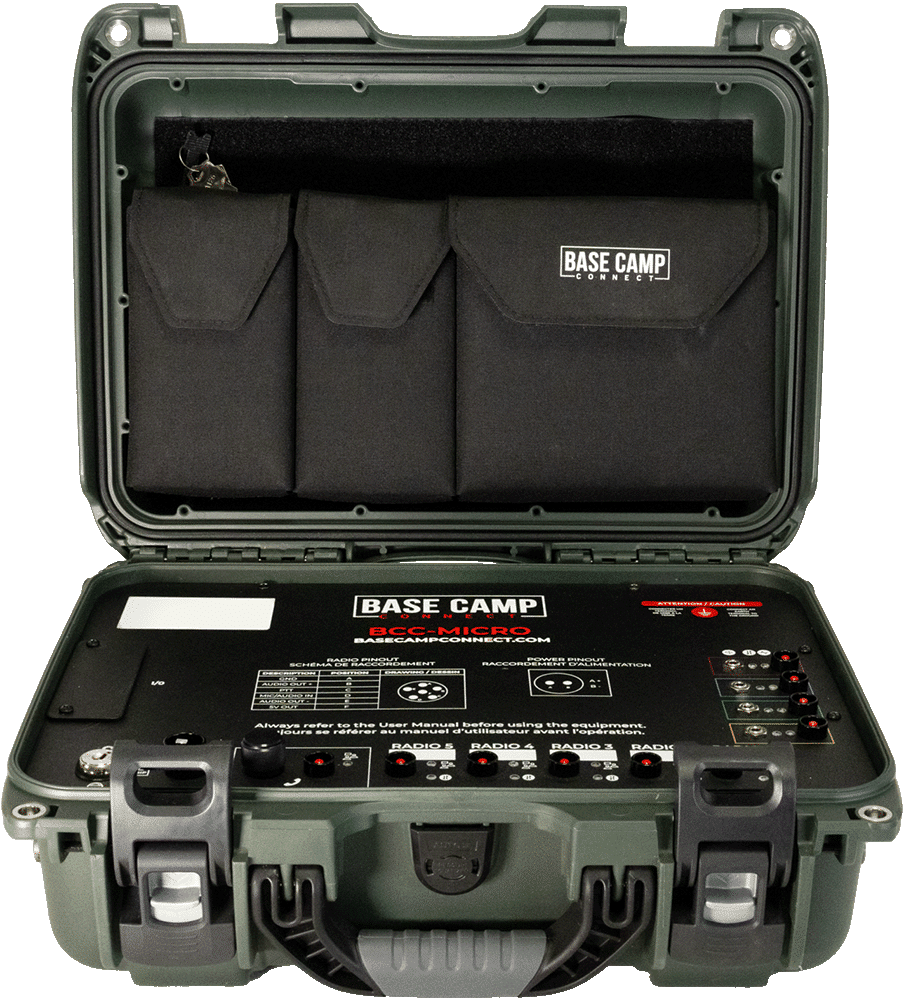
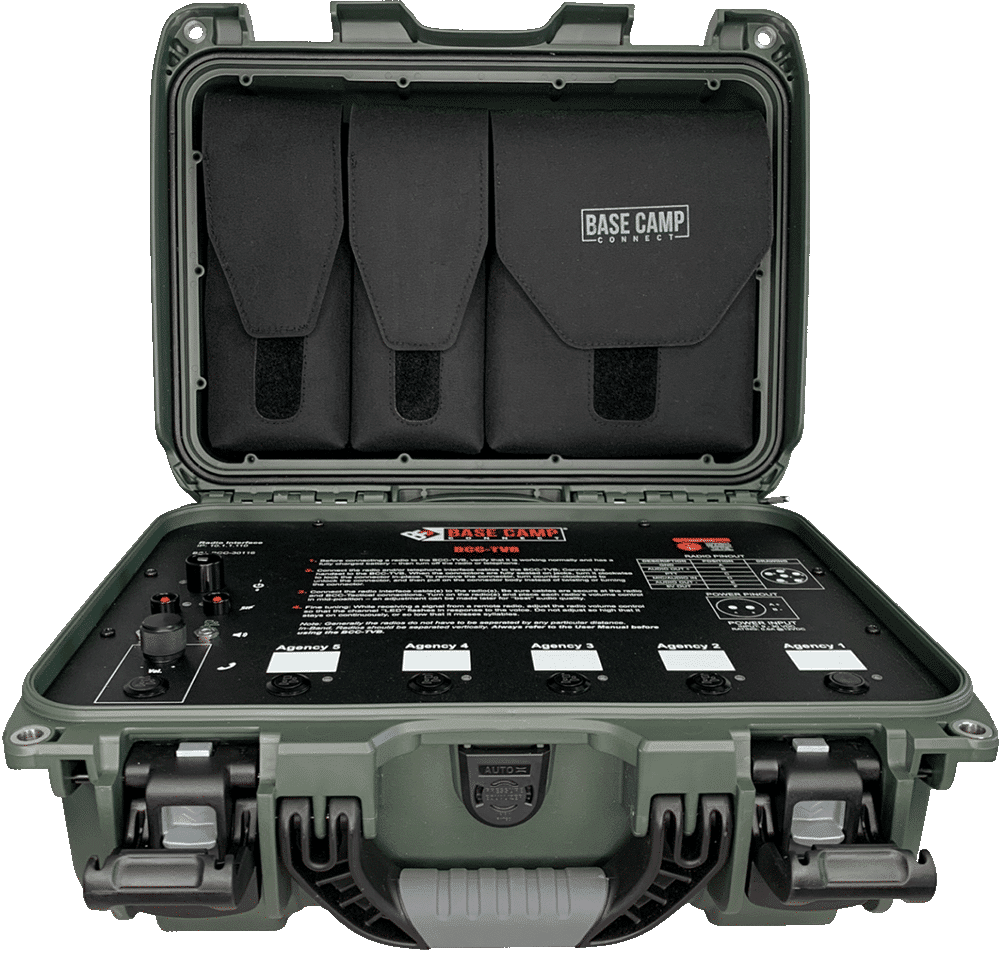
Systems like the BCC-TACTICAL are radio-agnostic, acting as cross-band, cross-platform, and cross-encryption gateways. Technology like this is the glue that keeps unconnected systems within a multi-domain communication network together. By bridging tactical and strategic networks, deployable communications infrastructure connects frontline units with joint task force headquarters, coalition partners, and strategic command systems. The result is a continuous flow of information across operational domains, enabling the unified situational awareness required for effective multi-domain operations.
Modern battlefields are multi-domain environments. Few conflicts don’t, in one way or another, take place simultaneously across land, sea, air, space, and cyber domains. Each of these environments opens the possibility for greater control over the conflict, but they are not without their own challenges.
In battle, communication is essential to success. Multi-domain communication networks are complex, but are achievable. When properly utilized, multi-domain communication networks can greatly enhance situational awareness and accelerate decision-making. With the right equipment, such as that which enhances interoperability without sacrificing mobility, military personnel at all levels can benefit from the safe and reliable sharing of data. In an era where information superiority can determine the outcome of an operation, the ability to maintain seamless communication across the entire battlespace is no longer a luxury; it is a necessity.