





For much of recorded history, the Arctic has been an isolated region where few have travelled. Permanent ice, extreme weather conditions, the lack of infrastructure, and the region’s unpredictability have all made the northern section of the planet a realm for only the bravest of souls. But thanks to global warming, that is rapidly changing. As the Arctic warms faster than the rest of the planet, this once ice-locked frontier is becoming more accessible and emerging as a strategic corridor.
As access to the Arctic increases, nations around the world see opportunity. Some of these opportunities are commercial in nature, including abundant minerals, large hydrocarbon reserves, and fisheries. Other opportunities are seen as geopolitical and defence advantages. Many nations are recognizing the Arctic’s growing prominence as an essential part of their global security discussions.
As the Arctic becomes less remote, nations in the Northern Hemisphere are competing for its riches. In the near future, the balance of power may be significantly affected by those controlling the region. Discussions on strategic Arctic operations are crucial for forward-thinking stakeholders, particularly military forces worldwide.
The Arctic as a Strategic Geography
The Arctic has become one of the world’s most important strategic regions. While the Arctic has been of interest for many years, especially during the Cold War, the large-scale melting of once impenetrable sea ice is increasing access and improving navigability. Polar routes offer reduced travel time between North America, Europe, and Asia. In the recent past, travel required moving through congested southern sea lanes, but that is no longer the case.
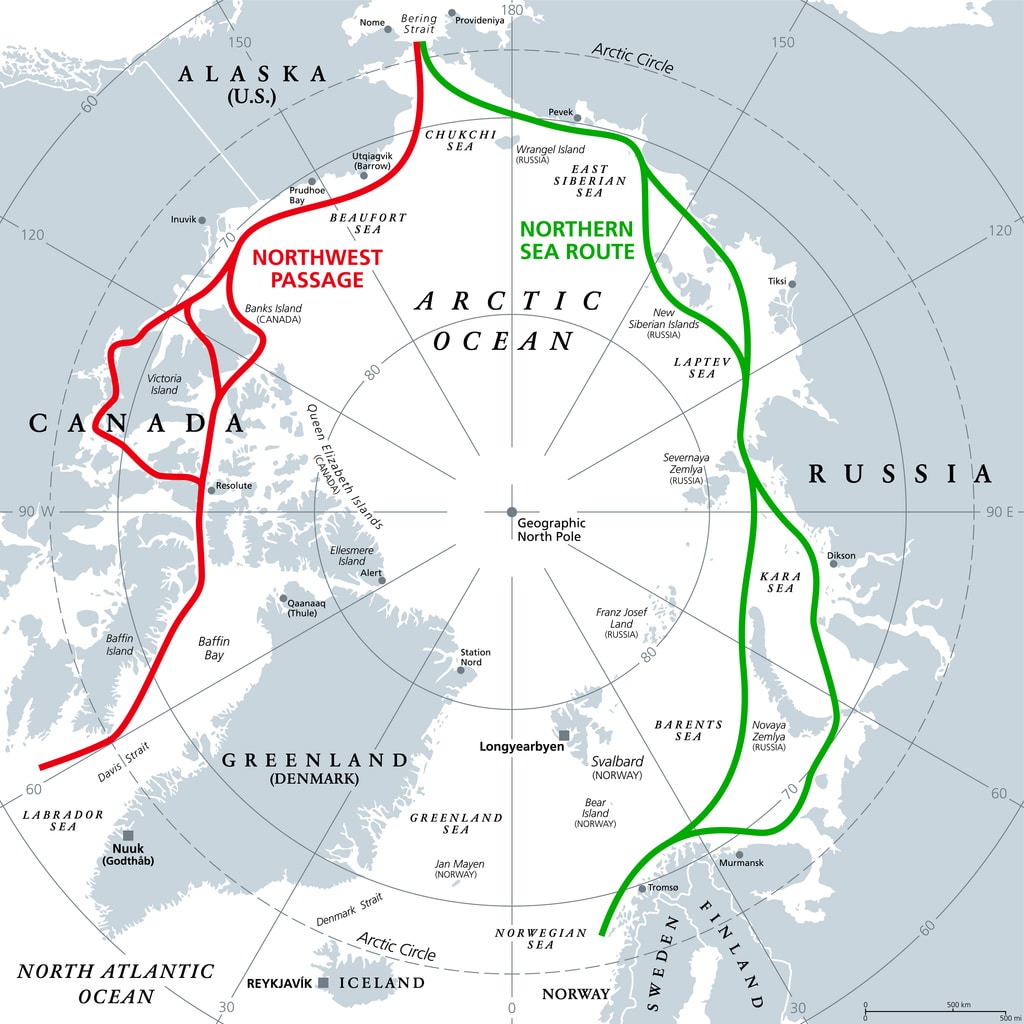
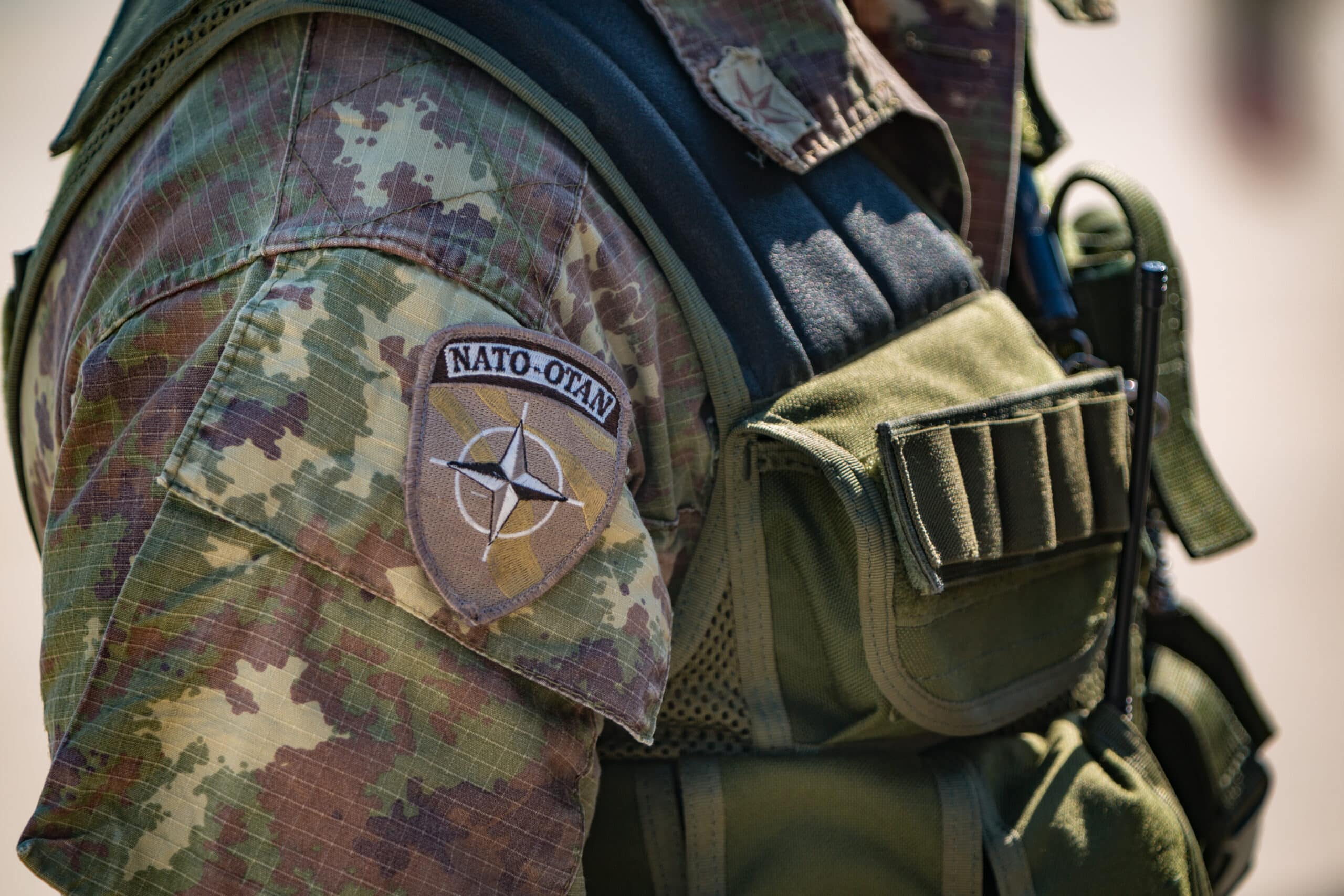
For NATO specifically, the Arctic is the alliance’s northern flank. With Finland and Sweden joining the alliance in recent years, the Arctic’s waters and airspace are now even more integrated into NATO’s collective defence planning. To the east of these nations, Russia controls the longest stretch of Arctic coastline in the world. For decades, the Russian Northern Fleet has been shielded by geography and ice, but with the melting of the polar region, this is no longer the case.
One particular area, known as the Greenland–Iceland–UK (GIUK) Gap, illustrates the growing importance of this region. During the Cold War, this region served as a naval chokepoint through which Western countries could monitor Soviet submarines entering the North Atlantic. As the Arctic region warms, the GIUK Gap is even more important. This section of the Poles remains a chokepoint for submarine operations from the East, but it also serves as a key defensive position for monitoring air and missile trajectories, as more platforms begin to operate in the area.
The Arctic also functions as a strategic high ground. Early warning radar systems, missile defence installations, and space tracking infrastructure rely on polar positioning to detect threats that take the shortest path between major powers, which often passes directly over the Arctic.
The Arctic is not an area to be dismissed. It sits at the geometric center of global military planning.
Great Power Competition in the Arctic
While there are numerous stakeholders with an interest in the Arctic, the current struggle for dominance in the region can be divided among three global players: Russia, China, and NATO.
For Russia, the Arctic is a defensive shield against attacks and a base for power projection. With the county’s Northern Fleet based on the Kola Peninsula, this region is of immense importance to Russia’s security. Additionally, Russia has the world’s largest fleet of icebreakers. Some of the country’s ships are even nuclear-powered, ensuring Russia has year-round mobility along the Northern Sea Route. In recent years, Russia has signalled the region’s importance to it by expanding and modernizing its Arctic bases. With improved airfields, integrated air defences, and a continued focus on its ballistic missile submarines, Russia intends to remain a huge influence in this region.
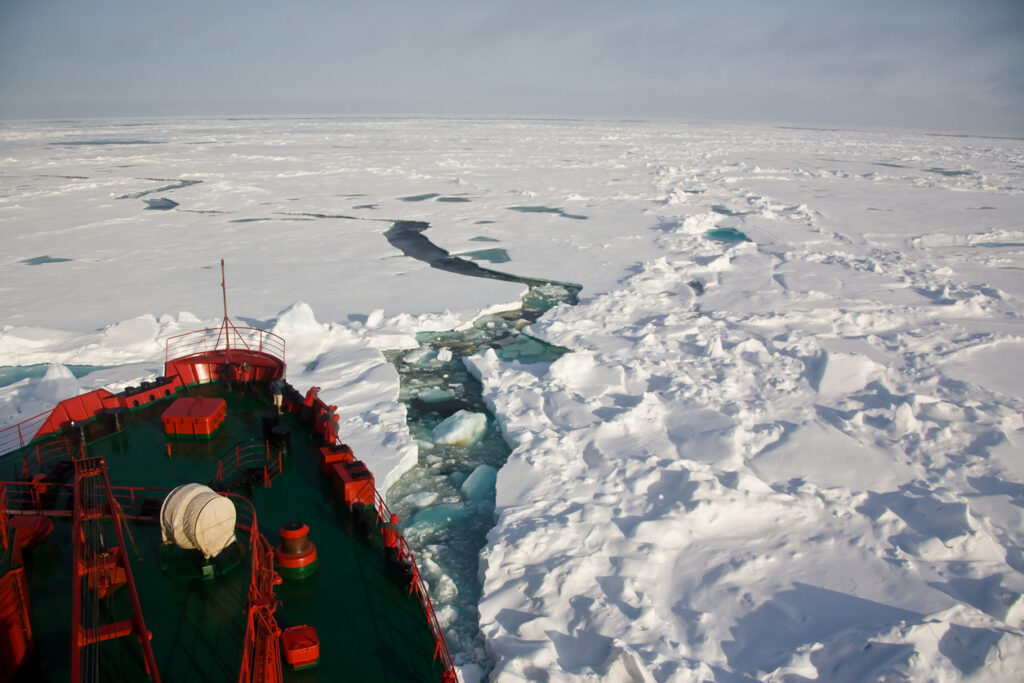
For a country without direct access to the Arctic, one might think China would have few concerns there. Nothing could be further from the truth. China is pushing a Polar Silk Road initiative and has even called itself a “near-Arctic state.” The country invests in research stations, has many ships capable of polar operations, and is positioning itself to have significant influence over northern trade routes.
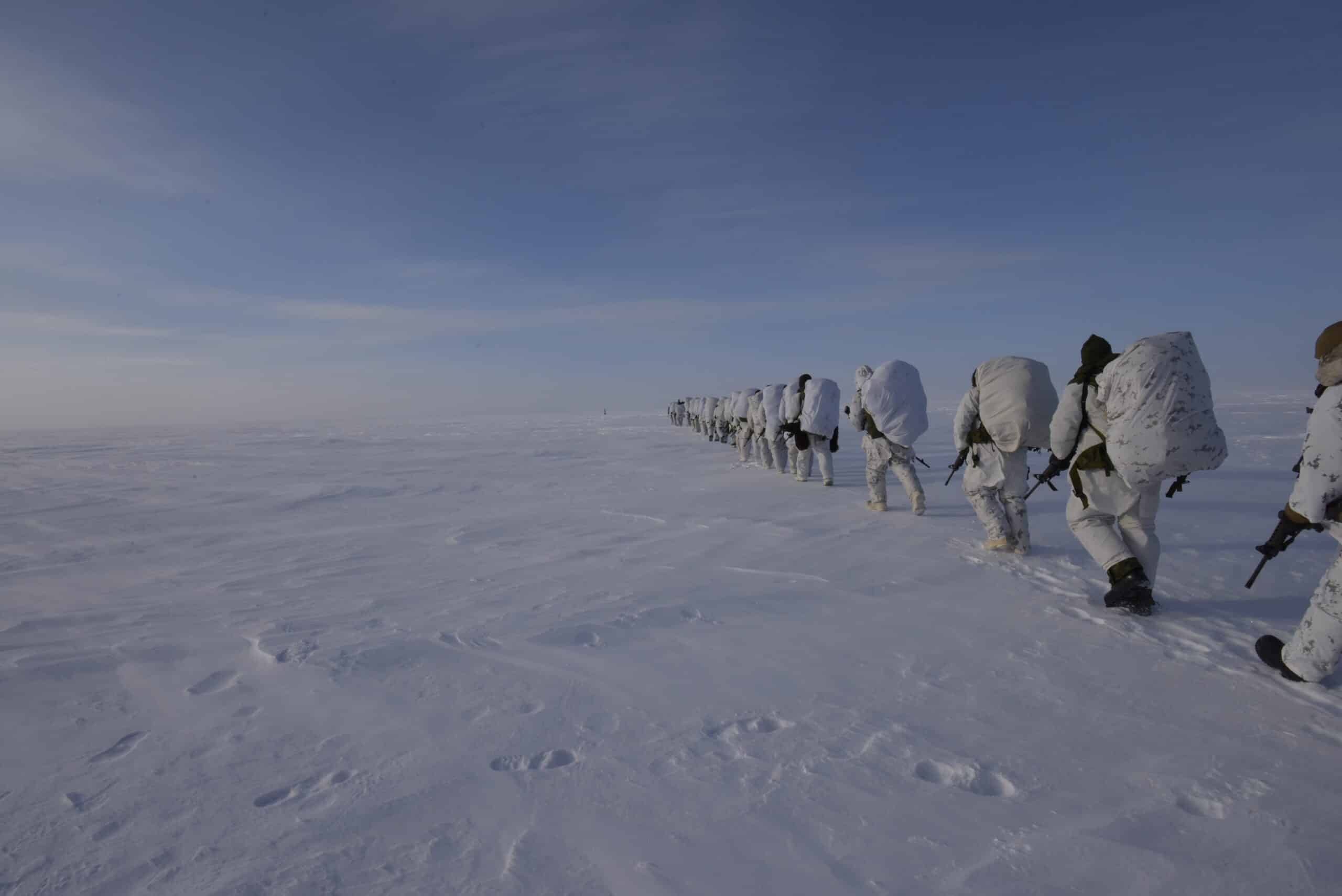
The third major player, NATO, is re-establishing an Arctic posture. With the addition of Finland and Sweden to the alliance, defence of the Polar North was strengthened. The Arctic is the gateway to the North Atlantic, a key trade route, and an important communication link between North America and Europe. With the recent opening of the Combined Air Operations Centre (CAOC) in Norway in October 2025 and the establishment of Forward Land Forces (FLF) in Finland, NATO is making it clear that the Arctic is a region it intends to protect.
The Strategic Objectives Behind Arctic Military Presence
For all three major competing powers, operations in the Arctic are essentially about freedom of movement, resources, and deterrence. As the shortest route between superpowers in the West and the East, the Polar region is a key early-warning corridor and an ideal location for intelligence gathering on competing powers. Through air and surface fleets, as well as other monitoring methods, countries have visibility into strategic approaches, aircraft, submarine movements, and surface activity within this critical territory.
Freedom of navigation is something everyone wants for themselves while also limiting others’ movement. Melting ice means the Arctic corridor is ideal for military and commercial movement. The superpowers are positioning themselves to control and monitor the region with the goal of maintaining freedom of movement.
Every nation has concerns over the global decrease in fuel reserves. With significant oil and gas reserves in the Arctic, everyone is looking to claim a stake in what could be decades of energy creating resources, soon becoming economically viable to extract. The global demand for energy is only increasing, which underscores the need to secure fuel reserves wherever they are found. In the Arctic, this will very likely be obtained with the use of military forces.
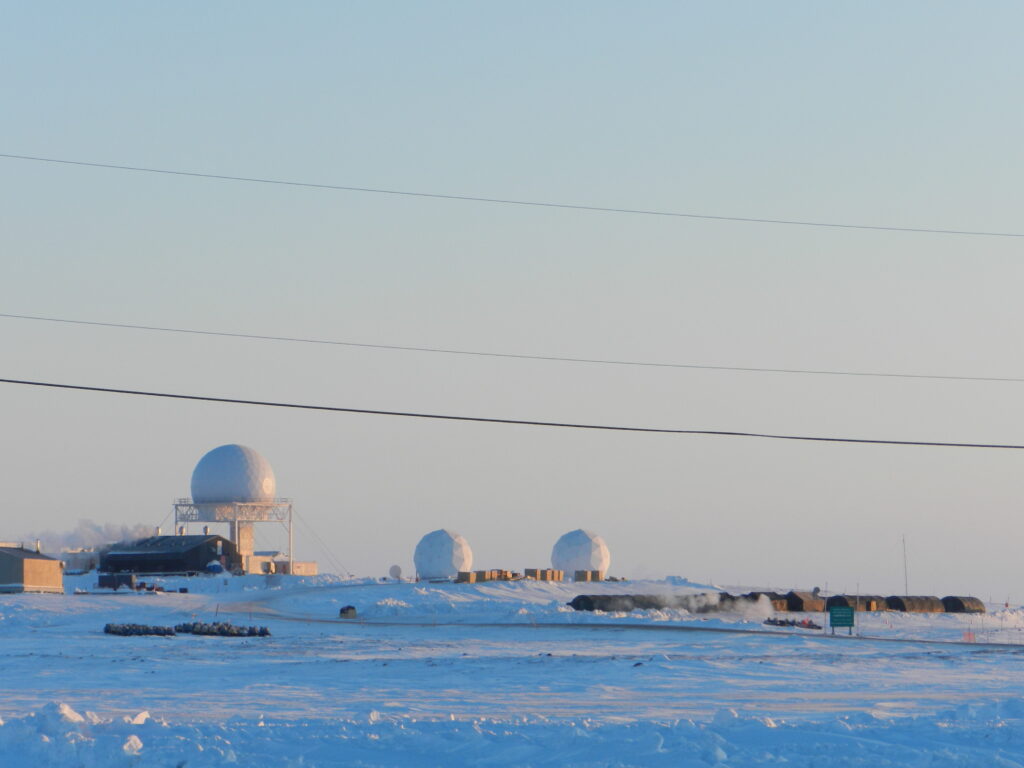
Homeland defence is another objective shared by everyone with an eye on the Arctic. While the Cold War may be over, the threat of Intercontinental Ballistic Missiles (ICBMs) is still very real. If a launch ever took place, the trajectories of many ICBMs would pass over the Arctic. This makes the region ideal for radar stations and other sensors that could serve as early warning systems to signal an attack by a hostile force.
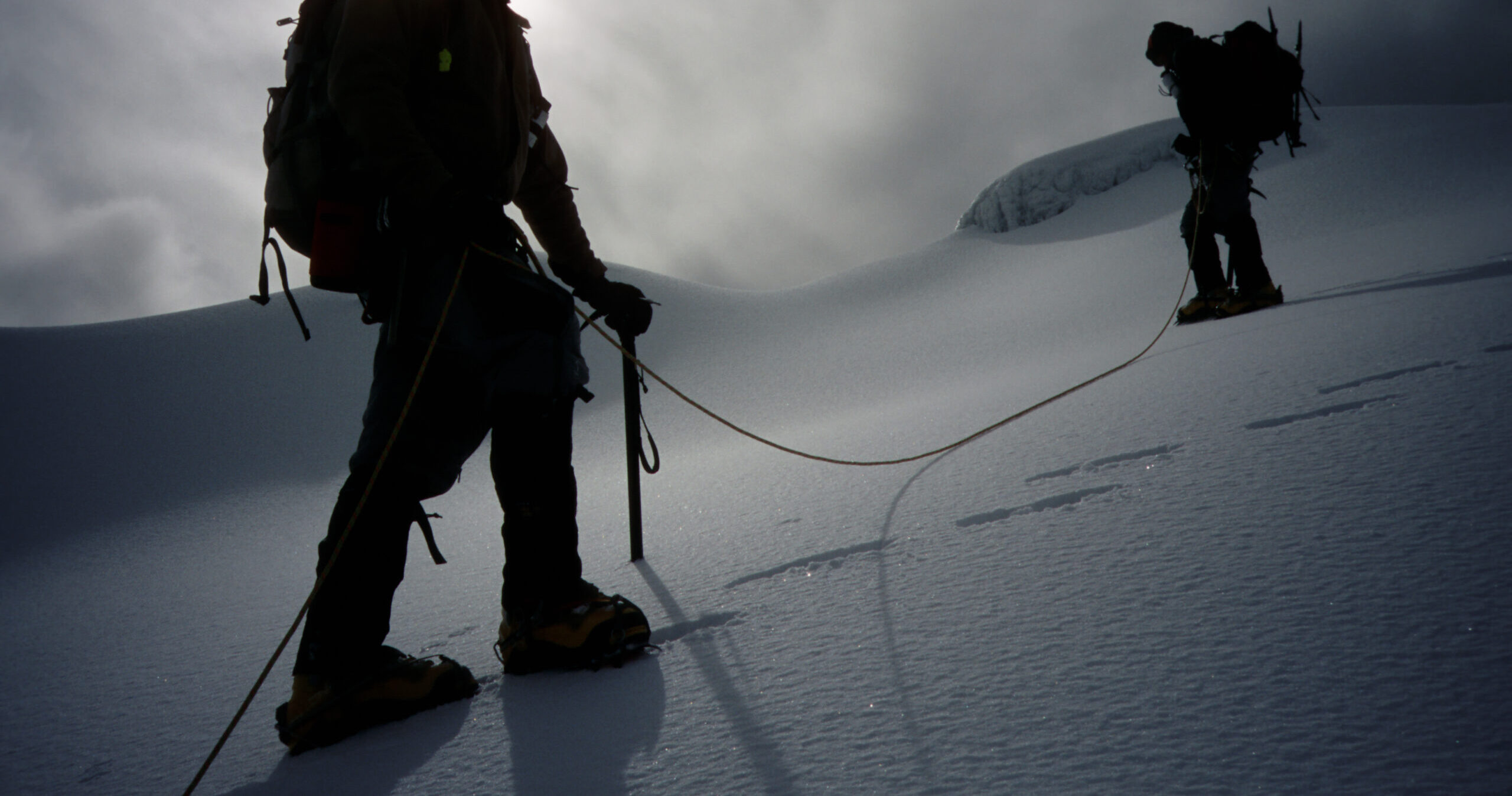
Finally, it’s important to note that with increased access comes increased risk. Nations looking to trade in the region will need to plan for search-and-rescue operations and disaster response. While the Arctic may be warming and easier to penetrate, it remains a dangerous region. If nations want to be proactive about the potential dangers, they will need to plan accordingly.
The Future Arctic Battlespace
While there is always hope that nations could operate in a spirit of cooperation to benefit collectively from greater accessibility to the Arctic, friction and perhaps armed conflict are more likely. Strategic Arctic operations should recognize the region as a potential battlespace. This battlespace will be defined by a combination of geography and technology. Here are just a few technologies that are undoubtedly going to see greater use in the region.
Autonomous systems in the air, on land, and in the sea, specifically designed for Polar operations, will be essential force multipliers. Many of the superpowers are already investing heavily in uncrewed autonomous systems. From underwater rovers that can track the movement of submarines under the ice to land-based robots searching for resources and competing forces, autonomous systems will become the eyes and ears of both military and commercial players in the region.
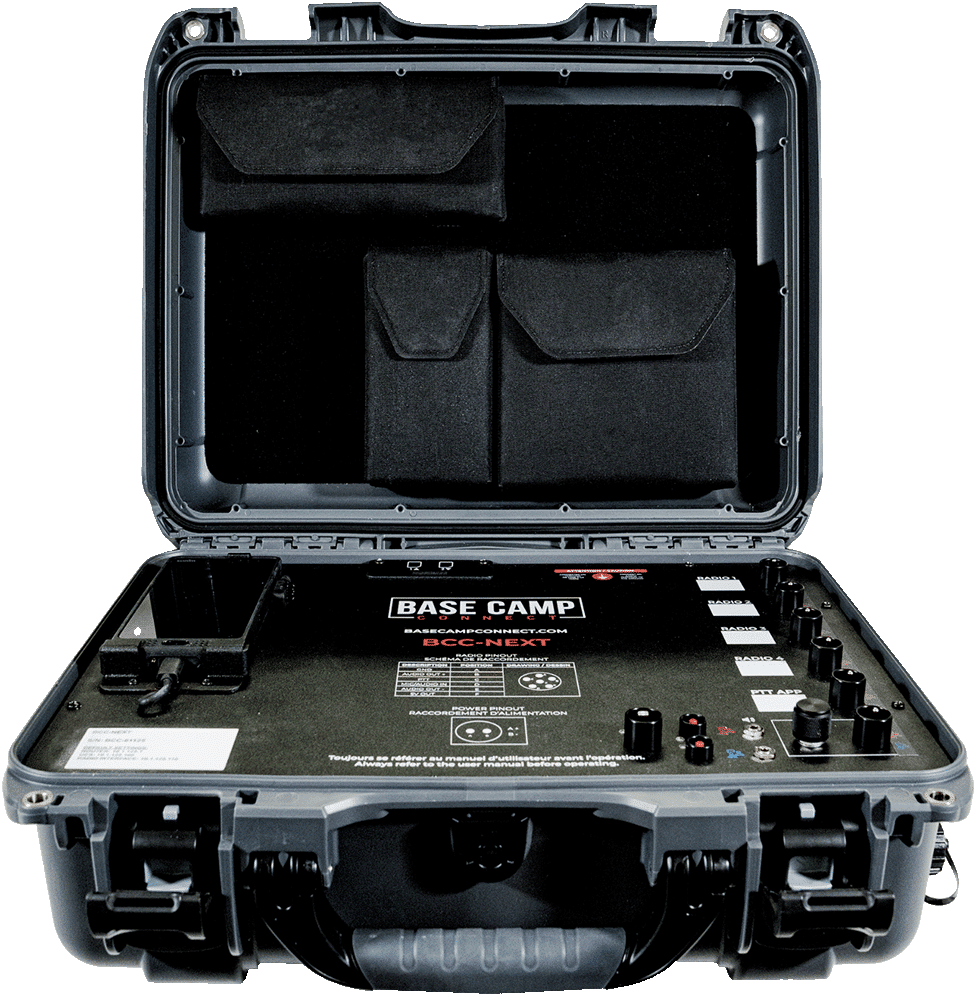
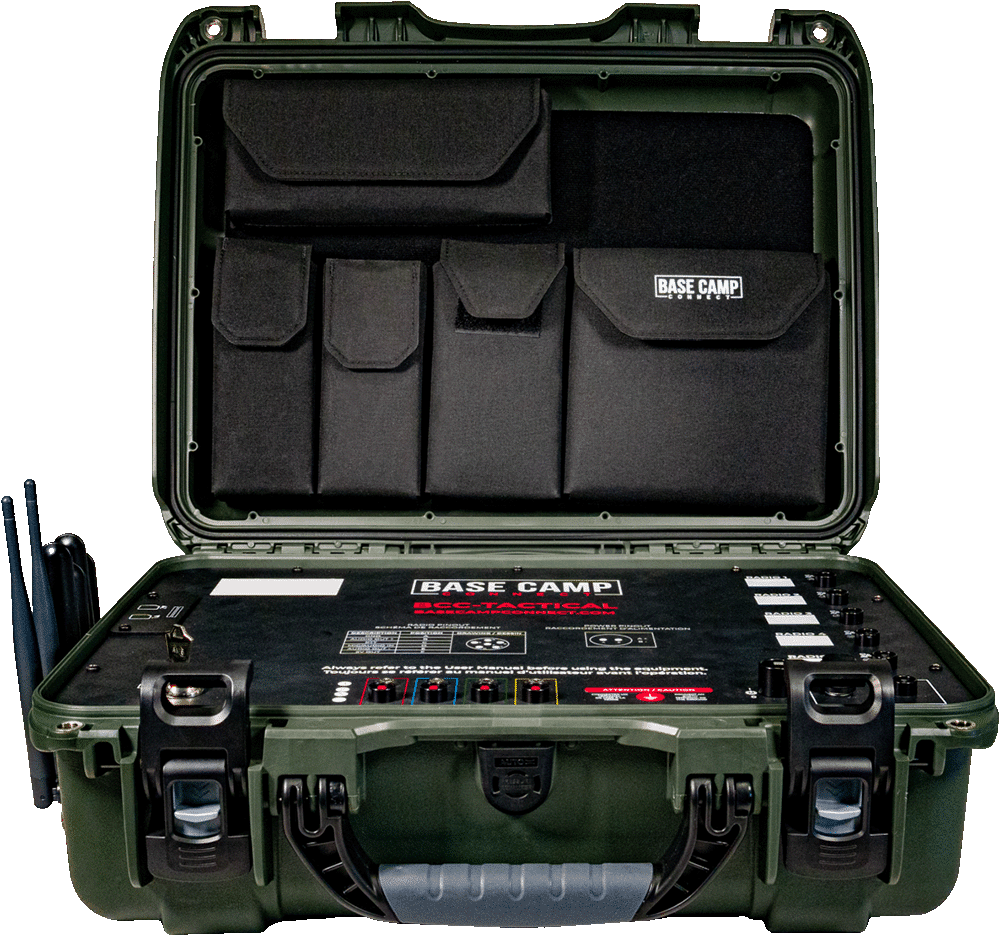
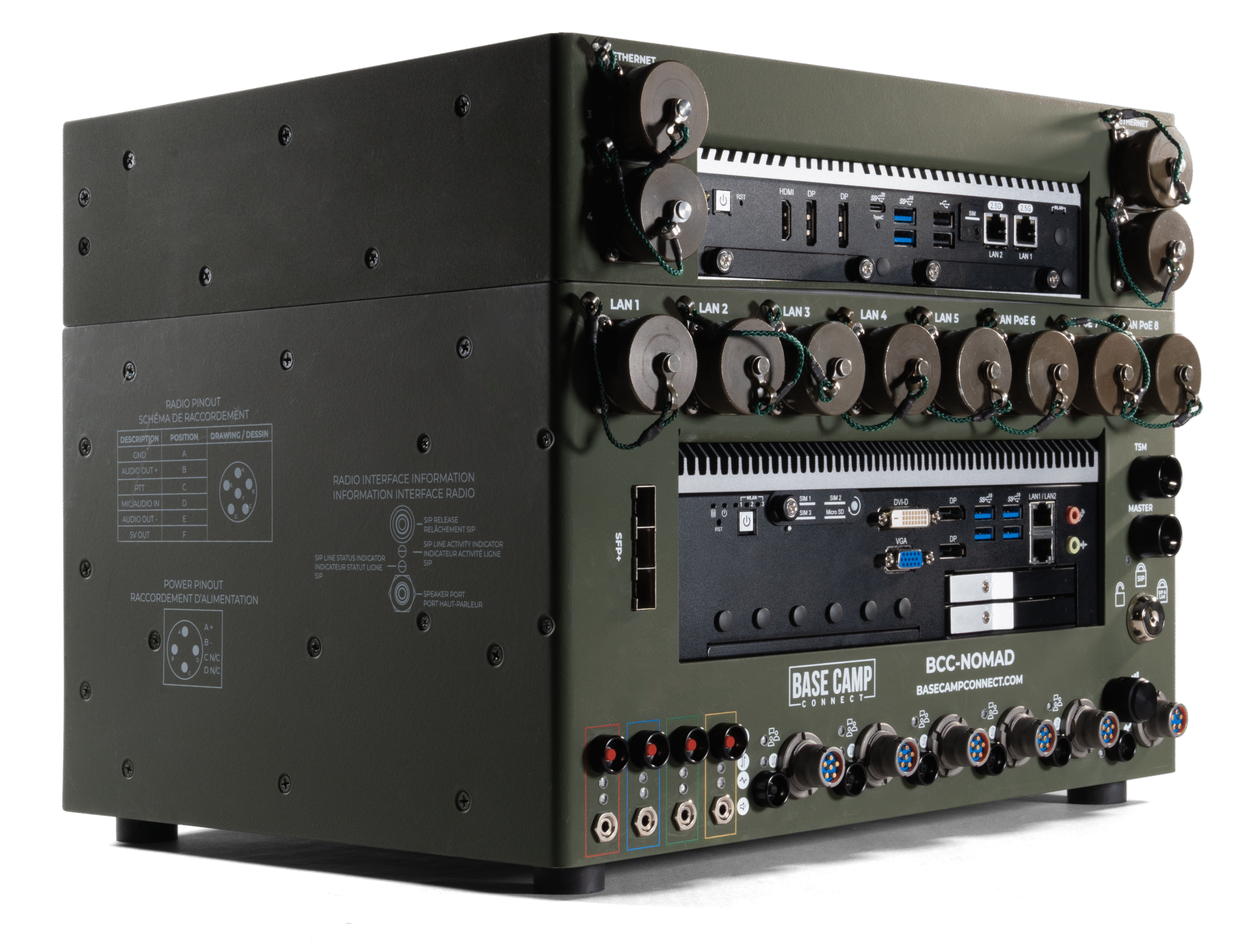
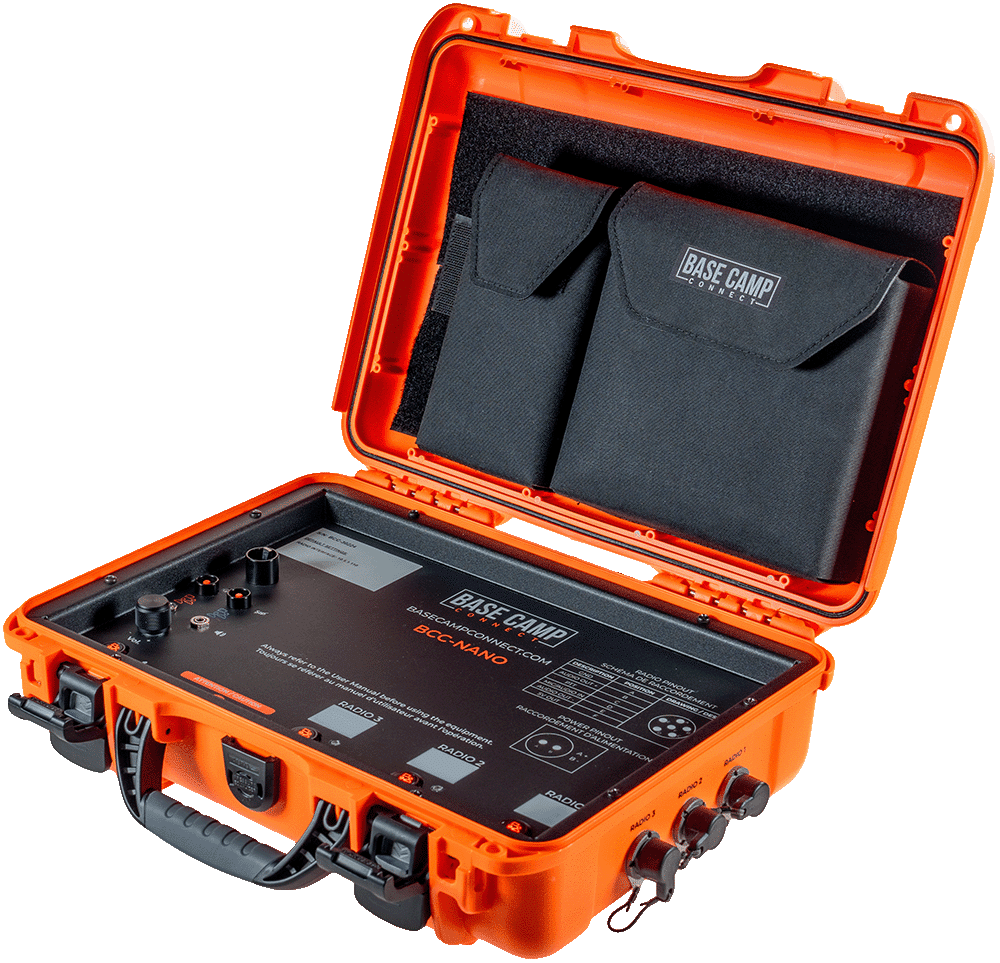
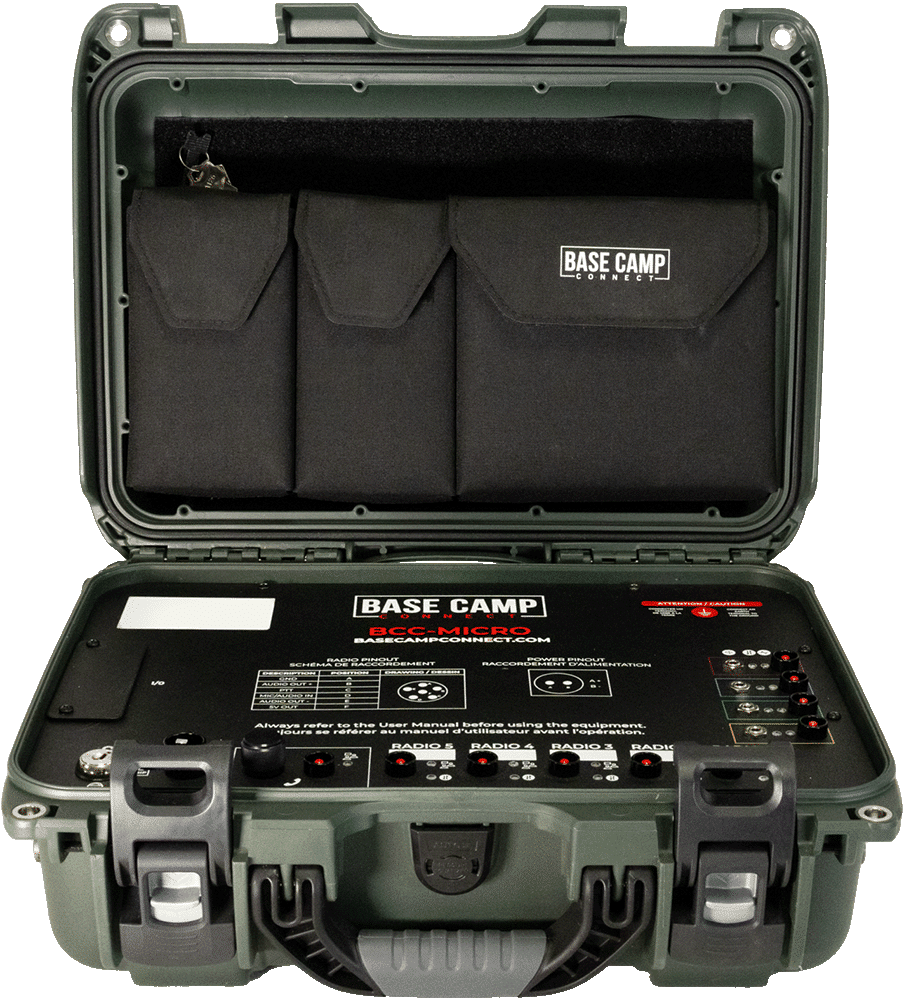
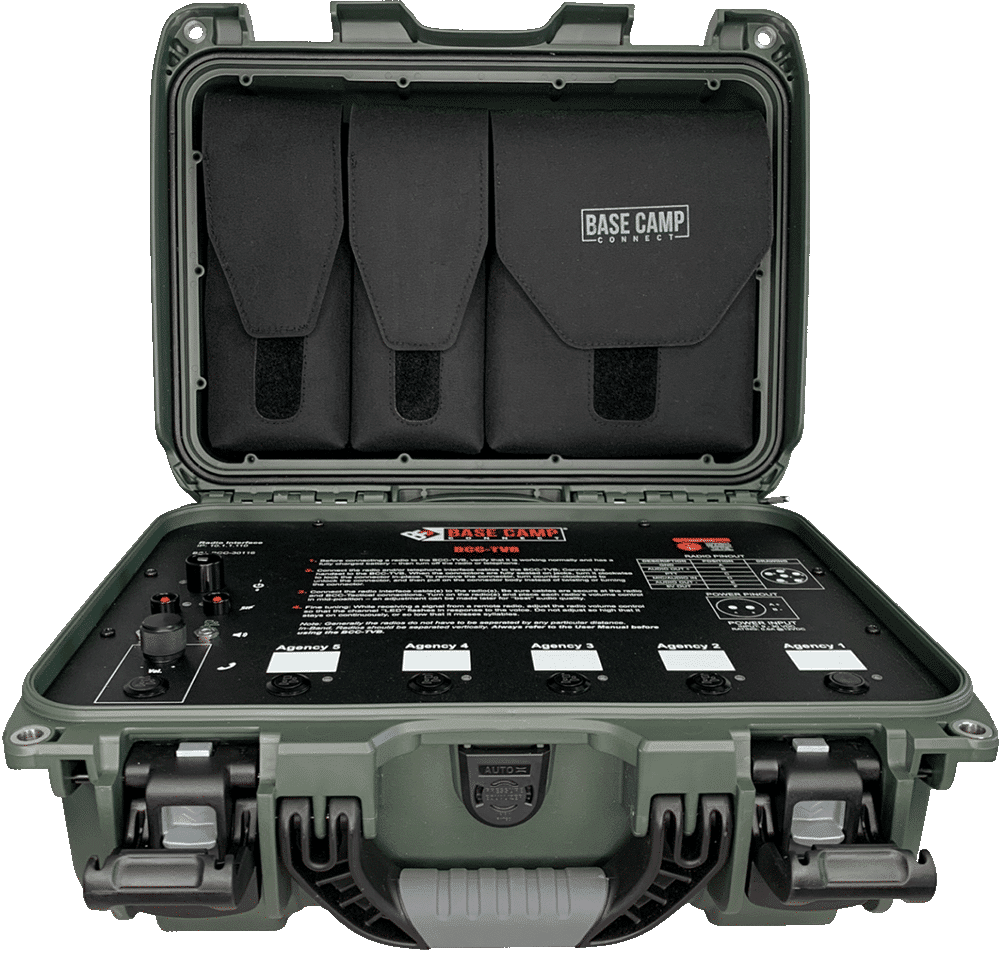

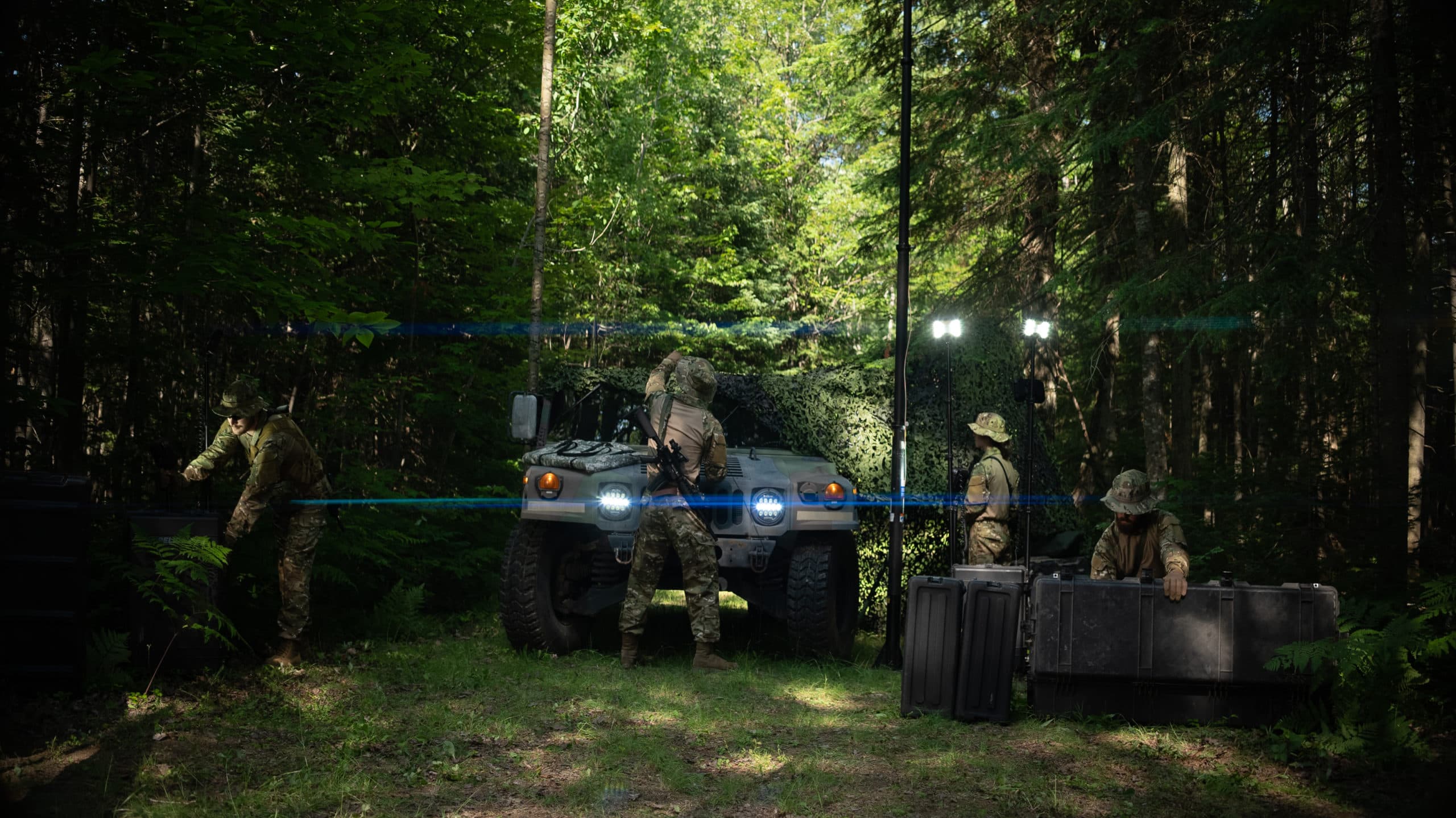
Communication systems will also be key. In an environment where the ability to communicate can literally be the difference between life and death, reliable communication assets will be essential. This is especially true for assets that can improve interoperability across a myriad of forces.
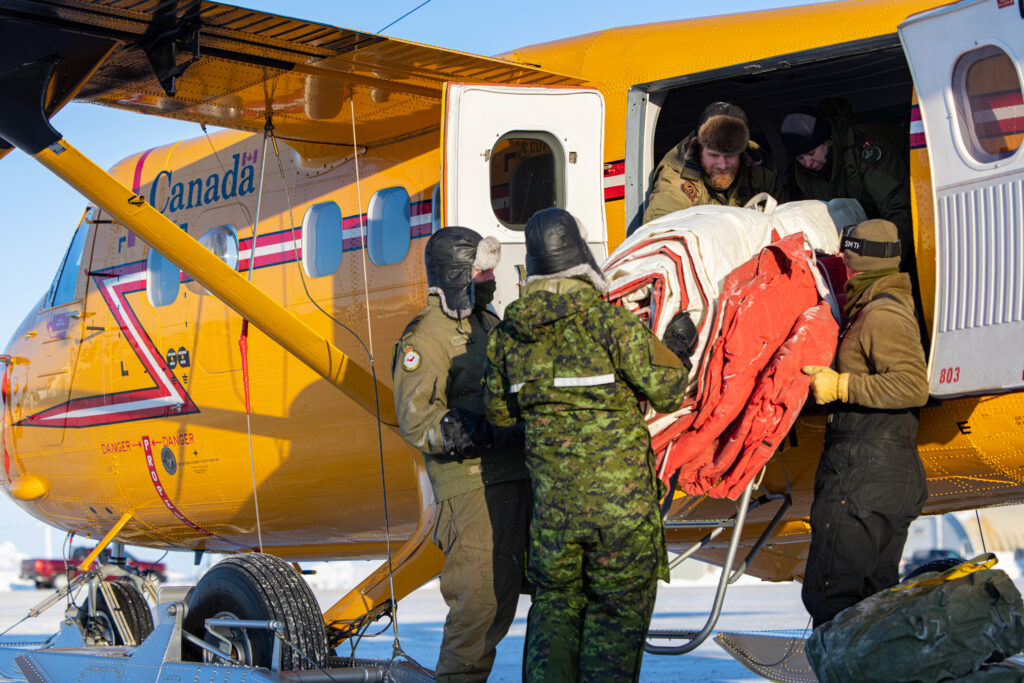
Arctic-capable drones will also be important for strategic Arctic operations. With the ability to withstand the area’s extreme weather conditions, aerial drones are ideal for surveying and mapping, as well as data and intelligence gathering. Drone pilots will be able to use these assets for a range of purposes, from mapping sea-ice flow to tracking foreign military buildups.
Final Thoughts
The Arctic is no longer a far-off region to the North that only the bravest and hardiest of people have conquered. With temperatures there warming several times faster than the rest of the planet, the northern territory is becoming more accessible and more interesting to stakeholders around the world. Accessibility brings opportunity as well as risk and perhaps conflict.
Russia, China, and NATO, in particular, are increasing their strategic operations and focusing on many objectives related to the Arctic. With an eye on resources, defence, and control, each superpower is already expanding its presence in the region and looking for technology and military might to give it the edge and hopefully control over its adversaries.
Having a presence is a good start, but for those looking to dominate the region, their strategic operations will need to focus on investments in infrastructure, interoperable communication systems, and emerging technology to help their commercial and military forces succeed.